




A Beginner’s Guide to Pet Dental Health: Simple Steps to Keep Your Dog or Cat Healthy from Nose to Tail
Posted by Chow Hound Pet Supplies on Feb 13th 2026
When it comes to keeping your pet healthy, it’s easy to focus on shiny coats, strong muscles, and wagging tails. But there’s one important area that often gets overlooked: dental health.
Just like humans, dogs and cats can develop plaque, tartar, gum disease, and painful infections if their teeth aren’t properly cared for. The good news? With a few simple steps, you can help protect your pet’s smile and their overall health from nose to tail.
Why Pet Dental Health Matters
Dental disease is one of the most common health issues in dogs and cats. In fact, many pets show signs of dental disease by age three.
Poor dental health doesn’t just cause bad breath. It can lead to:
- Inflamed or bleeding gums
- Tooth loss
- Pain while eating
- Bacterial infections that may affect the heart, liver, or kidneys
Taking care of your pet’s teeth is about more than fresh kisses; it’s about supporting their long-term wellness.
Signs Your Pet May Have Dental Issues
Keep an eye out for these common warning signs:
- Persistent bad breath
- Yellow or brown buildup on teeth
- Red, swollen, or bleeding gums
- Drooling more than usual
- Pawing at the mouth
- Difficulty chewing or loss of appetite
If you notice any of these symptoms, schedule a visit with your veterinarian. Here are some simple steps you can take to protect your pet’s teeth:
- Brush Your Pet’s Teeth (Yes, Really!)
Brushing is the gold standard for preventing plaque buildup.
Tips for success:
- Use a toothbrush designed for pets (finger brushes are great for beginners).
- Always use pet-safe toothpaste—never human toothpaste.
- Start slow. Let your pet get used to the taste and feel.
- Aim for brushing several times a week (daily is ideal).
If your pet resists at first, don’t worry. Patience and positive reinforcement go a long way.
- Offer Dental Chews and Treats
Dental chews are a simple and enjoyable way to help reduce plaque and tartar.
Look for:
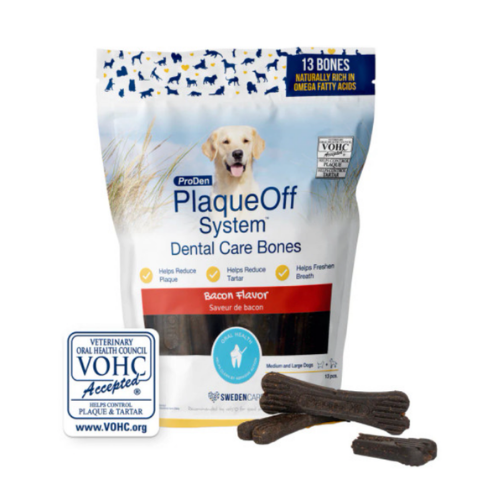
- Products approved by the Veterinary Oral Health Council (VOHC)
- Treats designed specifically for your pet’s size and chewing style
- Options that support breath freshening and gum health
Chewing helps mechanically scrape away plaque while satisfying your pet’s natural instincts.
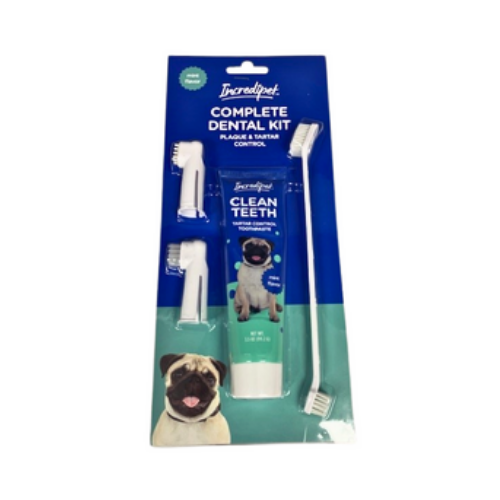
Incredipet Complete Dental Kit for Dogs
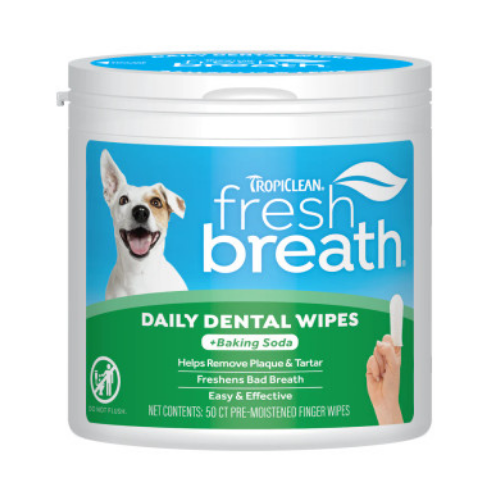
Tropiclean Fresh Breath Finger Dental Wipes
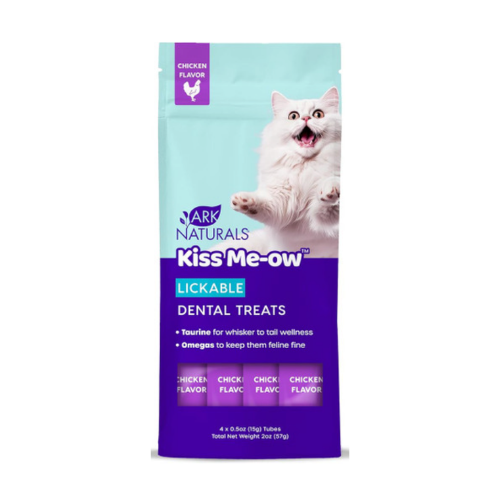
Ark Naturals Kiss Me-Ow Lickable Dental Cat Treats
NaturVet ProDen PlaqueOff System Dental Care Bones
- Choose Dental-Friendly Diets
Some specially formulated dry foods are designed to promote dental health by reducing plaque buildup.
These diets often feature:
- Larger kibble that encourages chewing
- Textures that help clean teeth
- Ingredients that support oral health
Ask your veterinarian if a dental-support formula is right for your pet.
- Provide Safe Chew Toys
Durable chew toys can help massage gums and reduce plaque accumulation.
Choose:
- Toys appropriate for your pet’s size and strength
- Rubber or textured dental toys
- Products designed to promote safe chewing
Avoid extremely hard items (like real bones or antlers) that could fracture teeth.
Spot Bambone Dental X-Bone Apple Flavored Dog Chew Toy
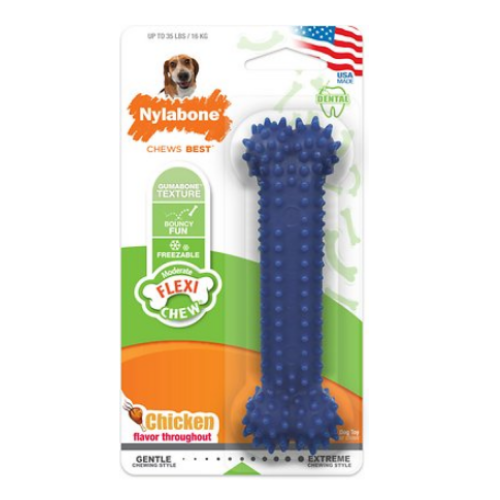
Nylabone Original Flavor Dental Dog Chew Toy
Catstages Strawberry Cat Dental Teether


5. Schedule Regular Veterinary Dental Exams
Even with great at-home care, professional cleanings are sometimes necessary.
Your veterinarian can:
- Perform thorough dental exams
- Remove hardened tartar
- Check for underlying infections
- Identify issues before they become serious
Routine dental checkups are a key part of preventative care.
How to Get Started (Even If You’ve Never Brushed Before)
If dental care is new for you and your pet, start small:
- Begin by gently lifting your pet’s lips and rewarding calm behavior.
- Introduce pet toothpaste and let them taste it.
- Progress to short brushing sessions, just a few teeth at a time.
- Keep experiences positive with praise and treats.
Consistency matters more than perfection.
A Healthier Smile Means a Healthier Pet
Taking care of your pet’s teeth is one of the simplest ways to support their overall health and happiness. With regular brushing, dental treats, safe chews, and routine vet visits, you can help prevent painful problems before they start.
A little effort today can mean more comfortable meals, happier kisses, and more tail wags tomorrow.
Your pet depends on you for complete care—from nose to tail. And that includes their smile.