



Overweight Cat? 5 Foods and Feeding Habits for a Healthy Weight
Posted by Chow Hound Pet Supplies on Aug 5th 2026
If your cat has become a little fluffier than usual, you're not alone. According to the Association for Pet Obesity Prevention, more than half of cats in the U.S. are considered overweight or obese. While those extra pounds might seem harmless, they can increase the risk of diabetes, arthritis, heart disease, urinary issues, and reduce your cat's overall quality of life.
The good news? Helping your cat reach a healthier weight doesn't have to mean drastic changes. By choosing the right food and making a few adjustments to feeding habits, you can help your feline feel better, stay active, and live a longer, healthier life.
1. Choose a High-Protein, Weight Management Formula
Cats are obligate carnivores, meaning they thrive on diets rich in animal protein. A quality weight management food helps maintain lean muscle while reducing excess calories.
Look for foods that feature:
- Real meat as the first ingredient
- High protein content
- Moderate fat levels
- Added fiber to help keep cats feeling full between meals
Top Picks (click to shop):
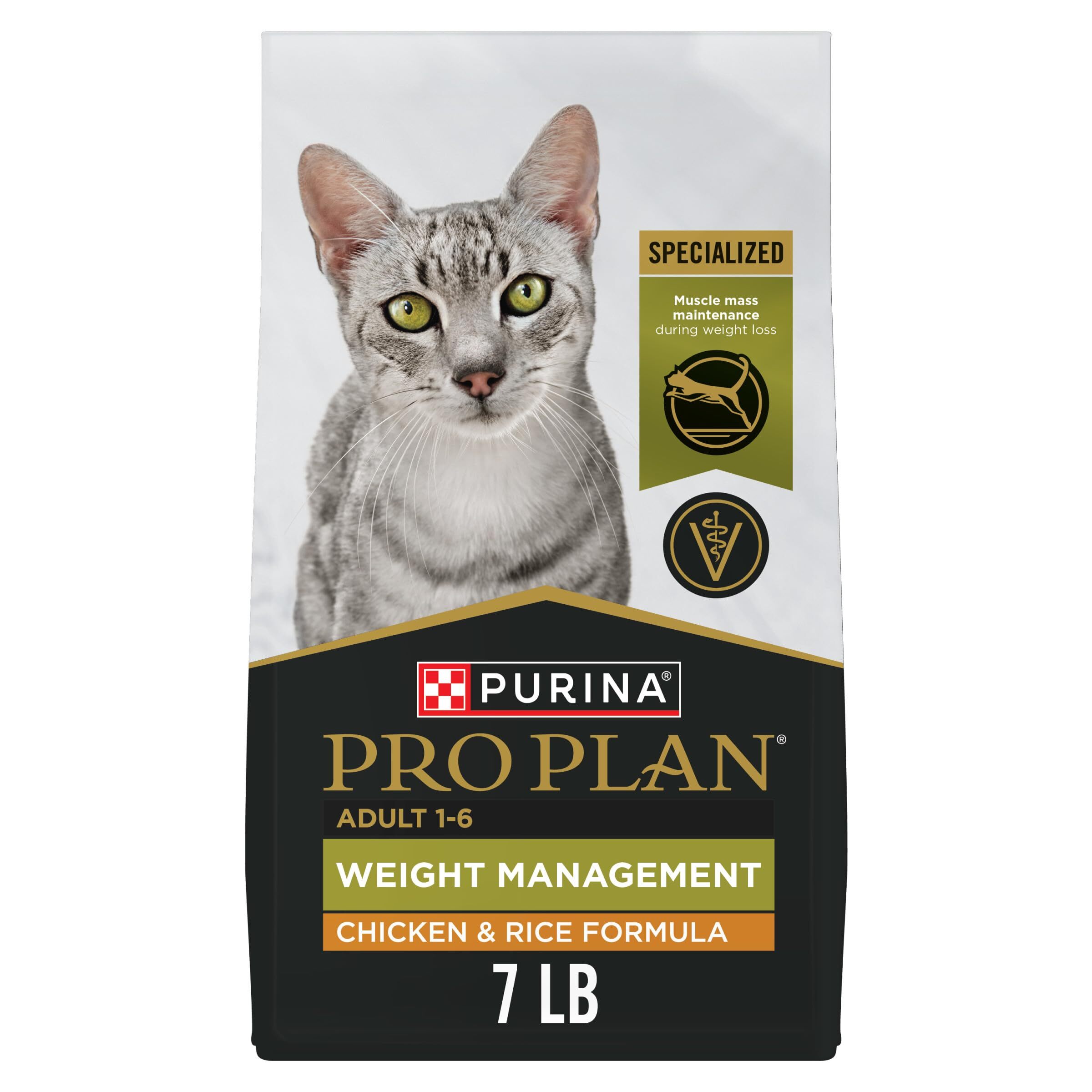
- Best For:High-protein nutrition with clinically backed weight management.
-
- This formula is designed to help overweight or less active adult cats achieve and maintain a healthy weight. Made with real chicken as the first ingredient, this high-protein recipe helps support lean muscle while reducing excess body fat. It also contains guaranteed live probiotics to support digestive and immune health, making it a well-rounded option for cats on a weight management journey.
-
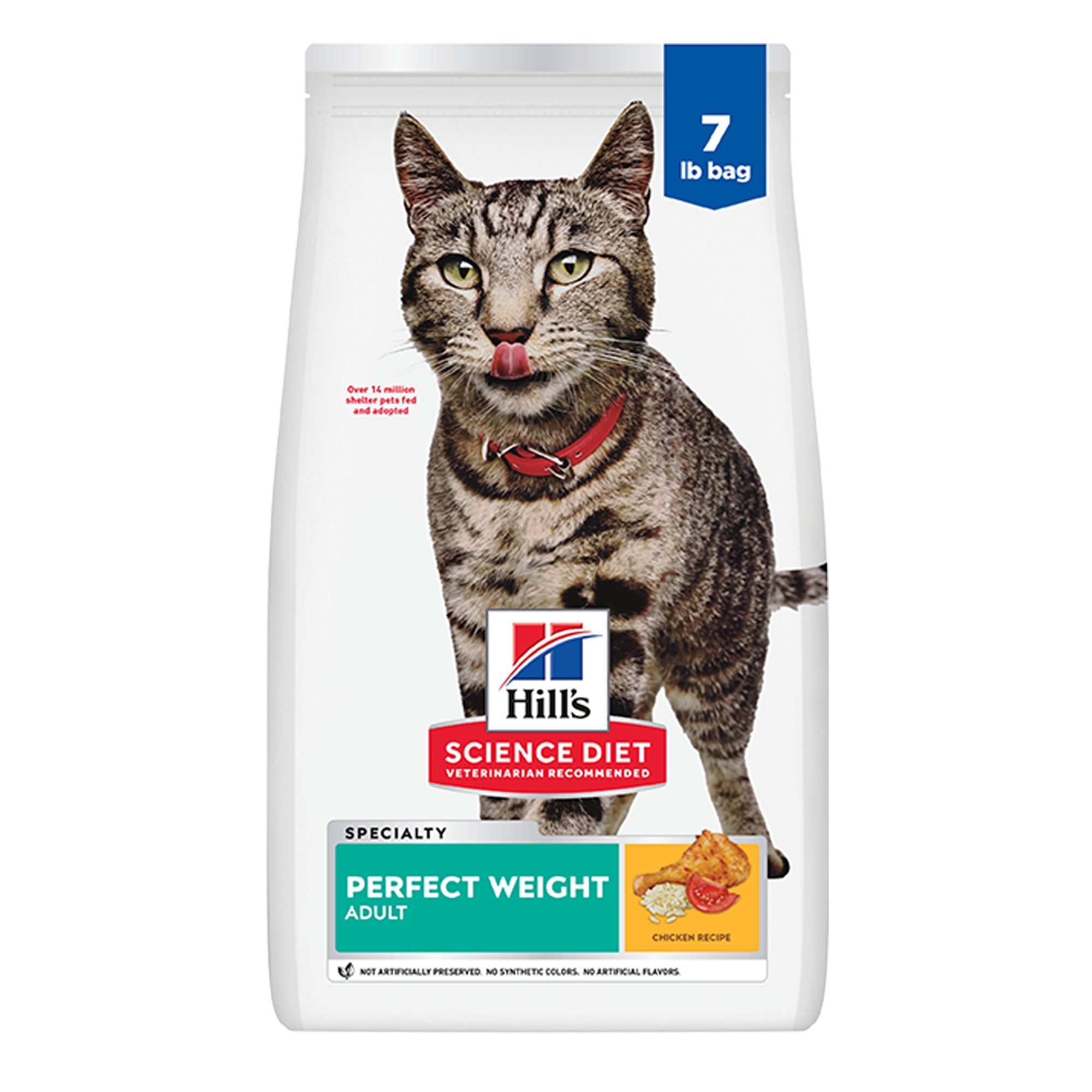
- Best for: Safe, gradual weight loss with clinically proven nutrition.
-
-
This food is specially formulated to help cats lose weight safely while maintaining lean muscle. It is a veterinarian-recommended formula provides balanced nutrition with high-quality ingredients and is clinically tested to support healthy weight loss and long-term weight maintenance. It's a great choice for pet parents looking for science-backed nutrition to help their cat reach an ideal body condition.
-
-
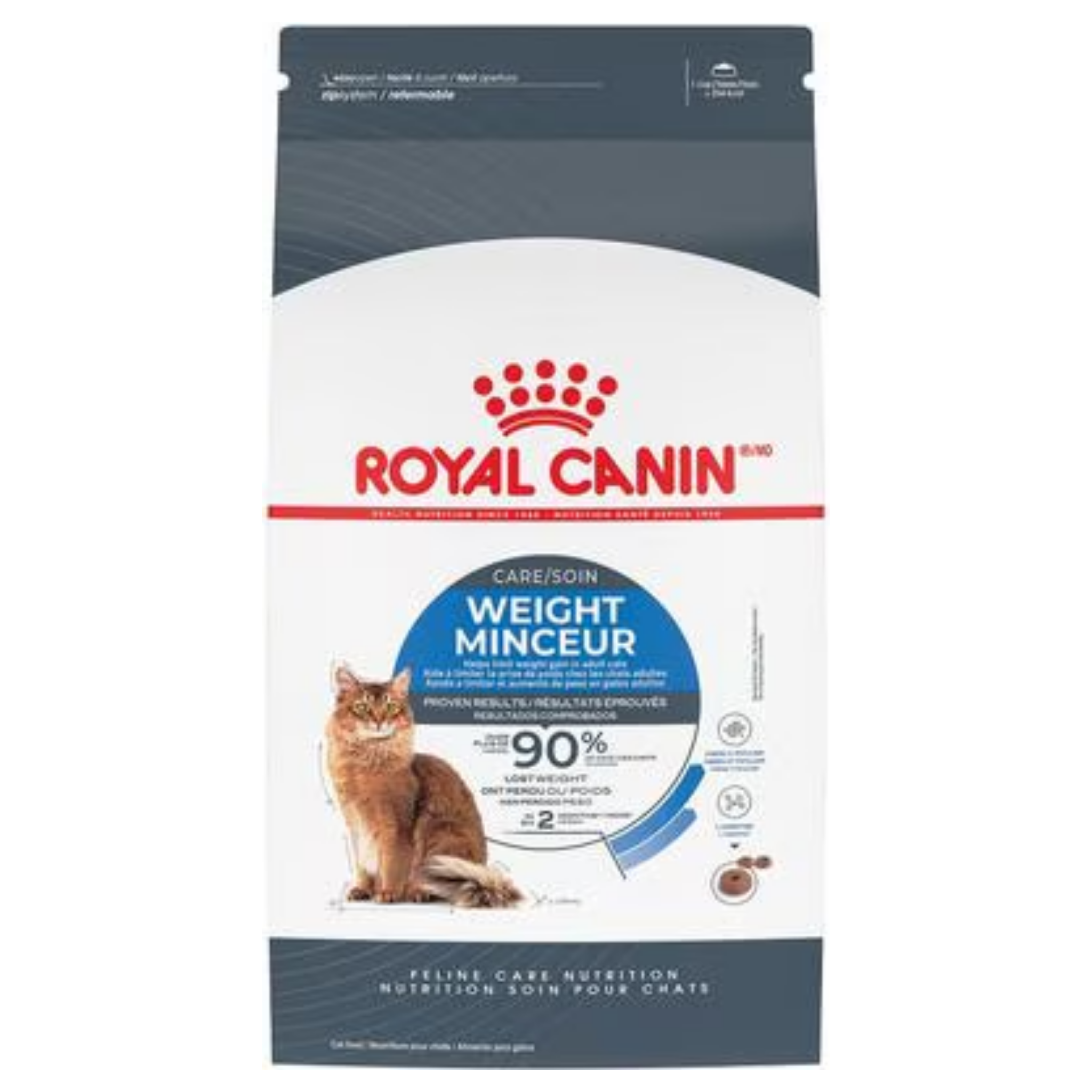
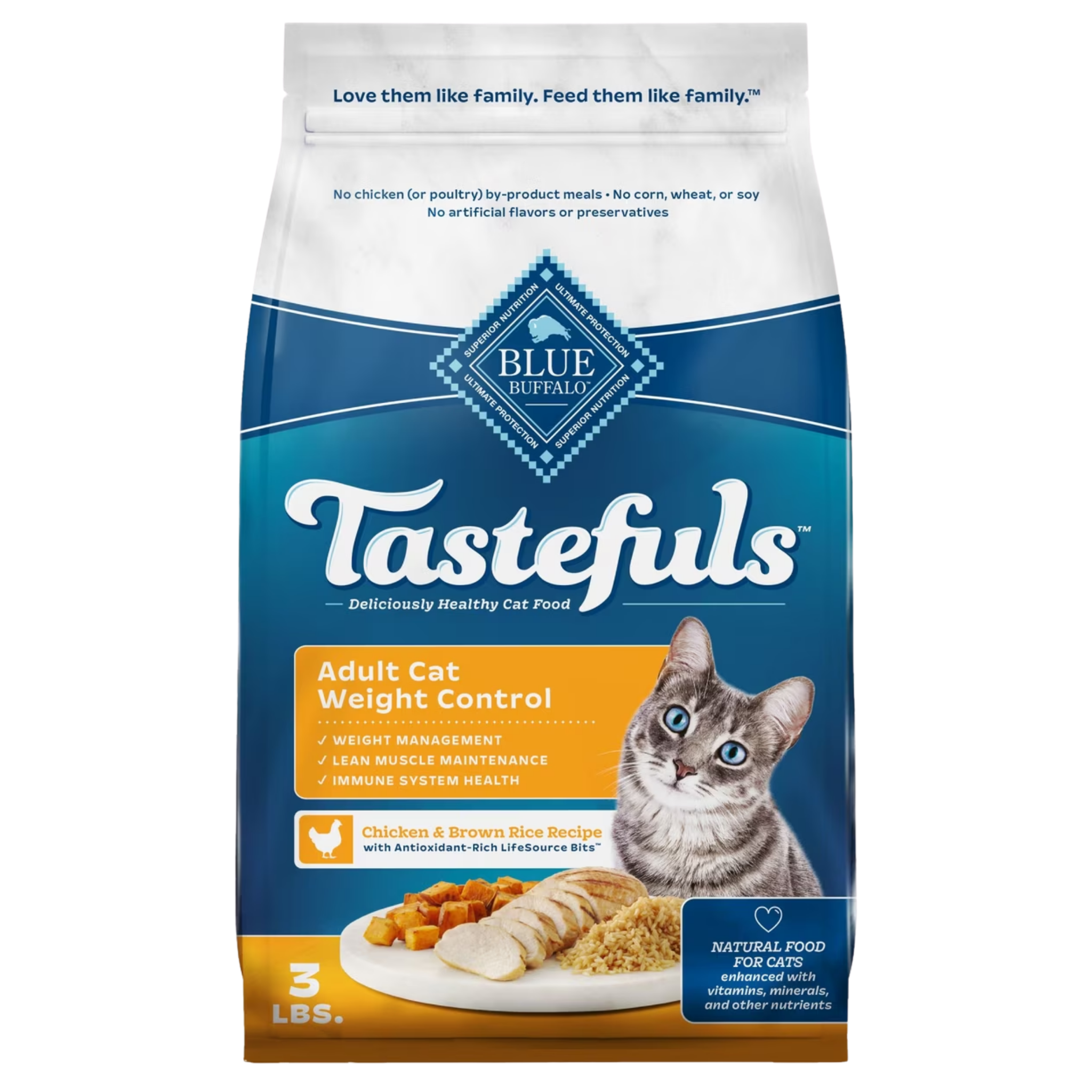
- Best for: Cats prone to weight gain or maintaining an ideal body condition.
-
- Designed for adult cats that need help maintaining a healthy weight before excess pounds become a bigger issue. This formula combines high-quality protein with a balanced blend of fibers to help cats feel satisfied after meals while supporting lean muscle mass. Its carefully balanced calorie content makes it an excellent option for indoor or less active cats that are more susceptible to weight gain.
-
- Best for: Premium nutrition, hydration, and healthy weight management.
-
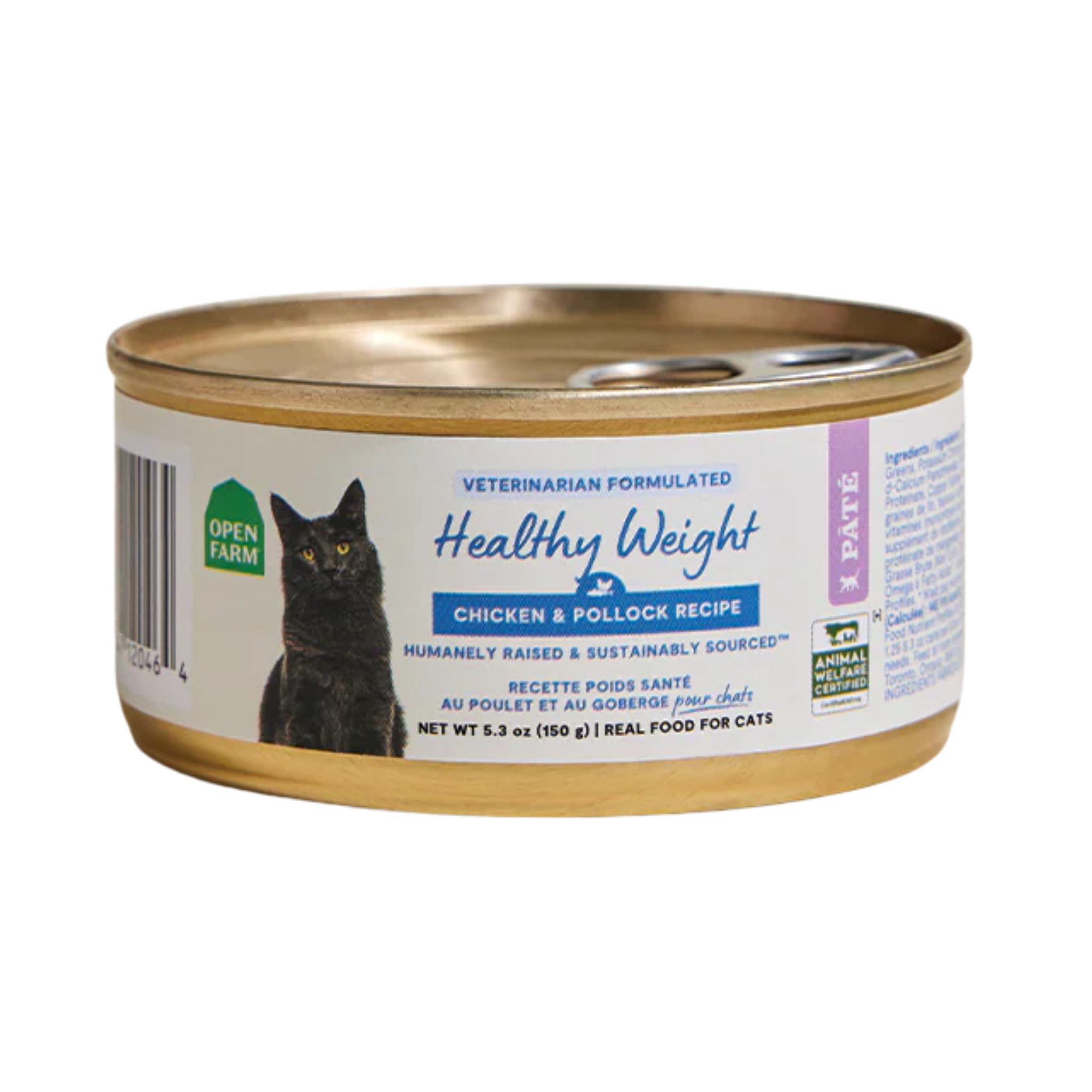
- This is an excellent option for cats working toward a healthier weight. Made with premium wild-caught whitefish, this moisture-rich pâté delivers lean protein to help maintain muscle while supporting healthy weight loss. The added moisture supports hydration and urinary health making it a smart choice for cats that don’t drink enough water.
2. Measure Every Meal
Free-feeding (keeping the food bowl full all day) makes it incredibly easy for cats to overeat.
Instead:
-
- Measure meals using a measuring cup or kitchen scale.
- Follow feeding guidelines on the bag as a starting point.
- Adjust portions based on your veterinarian's recommendation and your cat's activity level.
Even a few extra tablespoons each day can add up over time.
Tip: Use your cat's daily kibble allowance as training treats instead of giving extra snacks.

3. Add Wet Food to Their Diet
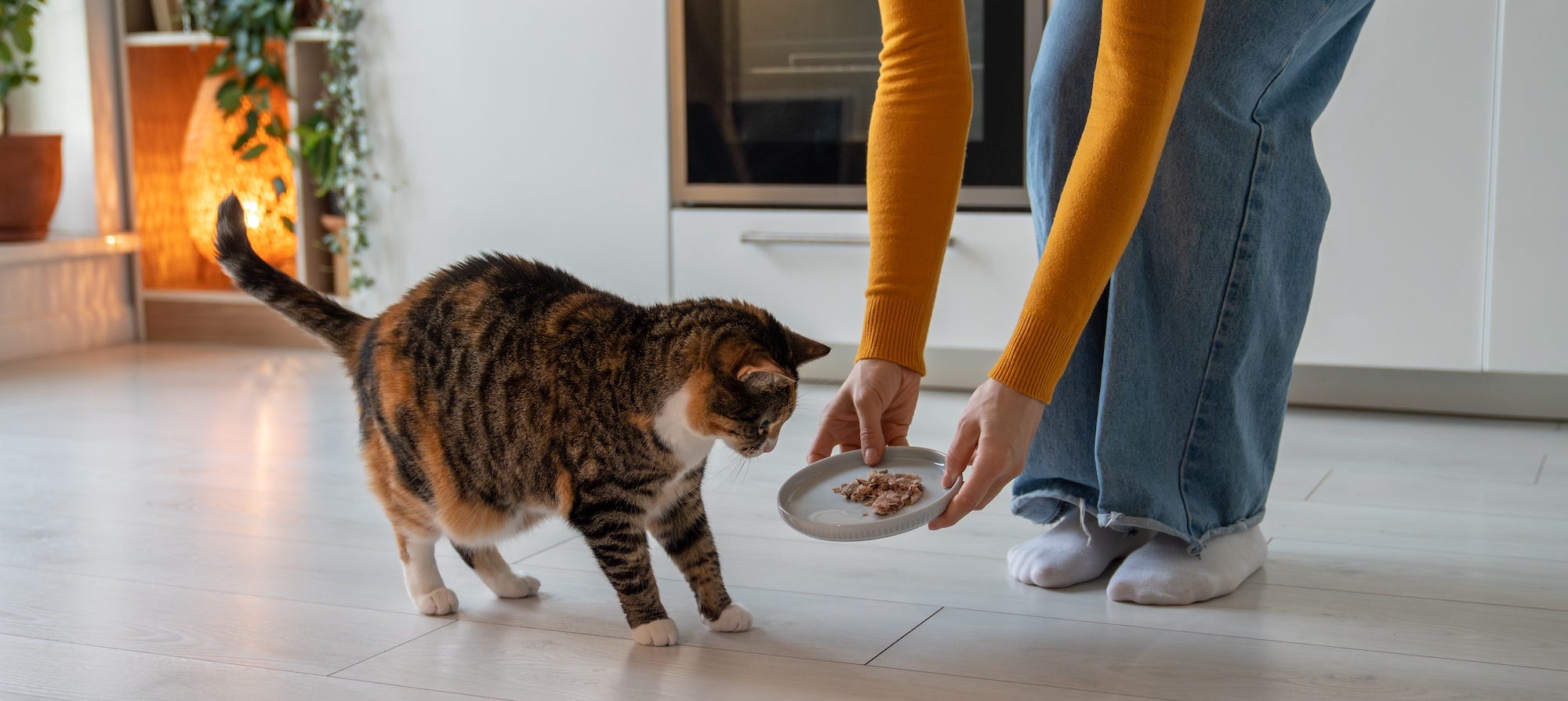
Wet food naturally contains more moisture and often fewer calories per serving than dry kibble. Many cats also find it more satisfying, helping them stay fuller between meals.
Benefits include:
- Increased hydration
- Better portion control
- Helps cats feel full
- Supports urinary health
If you're transitioning from dry-only feeding, replace calories gradually rather than simply adding canned food on top of their existing meals.
4. Make Mealtime More Active
Cats love to hunt—even indoors.
Instead of serving food in a bowl every time, try:
- Puzzle feeders
- Slow feeders
- Treat balls
- Food-dispensing toys
These tools encourage your cat to work for their meals, providing mental stimulation while naturally slowing down eating.
Even 10–15 minutes of daily play before meals with a wand toy or laser pointer (ending with a real toy or food reward) can help burn calories and mimic natural hunting behavior.
5. Be Smart About Treats
Treats should make up no more than 10% of your cat's daily calories.
Instead of offering several high-calorie treats throughout the day:
- Break treats into smaller pieces.
- Choose freeze-dried single-ingredient treats.
- Use affection or playtime as rewards.
- Count treats as part of your cat's daily calorie intake.
Remember—even healthy treats can contribute to weight gain when given too often.
Bonus Tip: Weight Loss Takes Time
Rapid weight loss in cats can be dangerous and may lead to hepatic lipidosis (fatty liver disease), a serious medical condition.
Aim for slow, steady progress and always speak with your veterinarian before starting a weight-loss plan—especially if your cat is significantly overweight or has other health concerns.
Signs Your Cat Is at a Healthy Weight
A healthy-weight cat should:
- Have a visible waist when viewed from above.
- Have a slight abdominal tuck from the side.
- Allow you to easily feel their ribs without pressing hard.
- Move comfortably and enjoy regular activity.
Healthy Cat, Happy Life
Helping your cat lose weight isn't about feeding less—it's about feeding smarter. Choosing a high-quality diet, measuring meals, encouraging activity, and limiting treats can make a big difference over time.
Whether you're looking for a specialized weight management formula, interactive feeding toys, or nutritious treats, Chow Hound Pet Supplies has everything you need to help your feline friend live their healthiest life.